Category Archives: Uncategorized

Legal Protections for Immigrants in America

The United States of America has a long and rich history of welcoming immigrants from around the world, contributing to its diverse cultural fabric and economic prosperity. Recognizing the inherent value of immigrants, the nation has established a comprehensive legal framework to safeguard the rights and provide protections for those seeking a better life within its borders. This essay examines the legal protections afforded to immigrants in America, highlighting key measures and policies that aim to uphold justice and human rights.

  1. Constitutional Rights:
  2. Immigration Laws and Policies:
  3. Due Process and Fair Hearings:
  4. Asylum and Refugee Protections:
  5. Temporary Protected Status (TPS):
  6. DACA (Deferred Action for Childhood Arrivals):

Constitutional Rights:

The U.S. Constitution guarantees certain fundamental rights to all individuals within its jurisdiction, regardless of their immigration status. These rights include freedom of speech, religion, and assembly, protection against unreasonable searches and seizures, due process, and equal protection under the law. Immigrants, whether documented or undocumented, benefit from these constitutional safeguards, ensuring that their rights are protected and respected.

Immigration Laws and Policies:

The Immigration and Nationality Act (INA) serves as the foundation of U.S. immigration law. It provides a framework for various visa categories, eligibility requirements, and processes for legal immigration, including family-based immigration, employment-based immigration, and refugee resettlement. Additionally, the INA establishes protections against discrimination based on race, nationality, religion, gender, or membership in particular social groups.

Due Process and Fair Hearings:

Immigrants facing deportation proceedings are entitled to due process, which ensures fairness and transparency in legal proceedings. They have the right to be informed of the charges against them, the opportunity to present evidence, the right to legal representation (at their own expense), and the right to appeal adverse decisions. This ensures that immigrants have a fair chance to present their case and defend themselves against removal from the country.

Asylum and Refugee Protections:
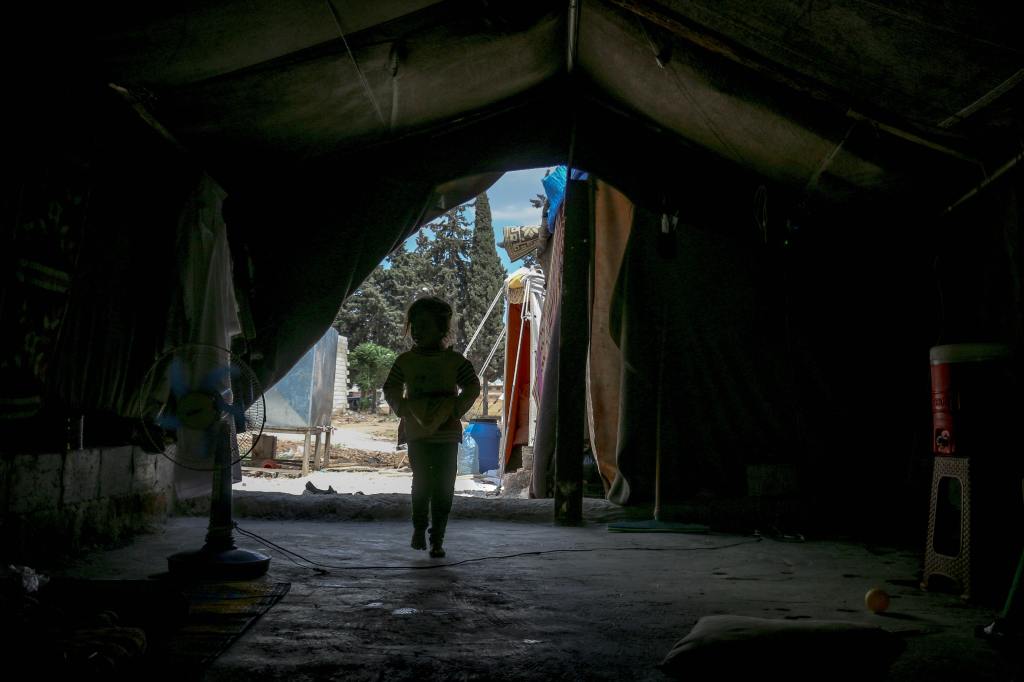
The United States has a long-standing commitment to providing protection to those fleeing persecution, violence, and other forms of harm. Asylum laws allow individuals to seek protection if they can demonstrate a well-founded fear of persecution based on race, religion, nationality, political opinion, or membership in a particular social group. Refugees, on the other hand, are individuals who apply for protection from outside the United States and undergo a stringent vetting process before being admitted into the country. These protections reflect the nation’s commitment to human rights and humanitarian principles.

Temporary Protected Status (TPS):

In certain circumstances, the U.S. government grants temporary protected status to individuals from countries experiencing ongoing armed conflict, natural disasters, or other extraordinary conditions. TPS provides temporary relief from deportation and allows eligible individuals to work legally in the United States. It ensures that those affected by crises abroad can find safety and stability until conditions in their home countries improve.

DACA (Deferred Action for Childhood Arrivals):

The Deferred Action for Childhood Arrivals program, established through executive action, provides temporary protection from deportation and work authorization for undocumented individuals who were brought to the United States as children. DACA recipients, known as Dreamers, are given the opportunity to pursue education, gain lawful employment, and contribute to American society. While DACA does not grant a path to permanent residency or citizenship, it provides a lifeline for many young immigrants who grew up in the United States and know no other home.

The legal protections for immigrants in America reflect the nation’s commitment to justice, human rights, and the principles of fairness. The U.S. Constitution, immigration laws, and various policies ensure that immigrants, regardless of their status, are entitled to fundamental rights, due process, and protection from persecution. By upholding these protections, the United States not only honors its historical legacy as a nation of immigrants but also demonstrates its commitment to fostering a diverse, inclusive, and equitable society.


Limitations and Challenges of Immigrants in America

The United States has always been a sought-after destination for individuals seeking better opportunities and a new life. While some people become citizens through birth or naturalization, others enter the country as visa holders. Visa holders, though granted certain privileges, encounter limitations compared to citizens. This essay aims to discuss some of the key limitations faced by visa holders in America and highlight the disparities they experience in various aspects of life.

  1. Legal Protections:
  2. Employment Opportunities:
  3. Social Benefits:
  4. Travel Restrictions:
  5. Political Participation:

Legal Protections: One significant limitation faced by visa holders is the disparity in legal protections compared to citizens. Citizens enjoy the full extent of legal rights and constitutional protections, including the right to vote, hold public office, and access public benefits. Visa holders, on the other hand, have limited access to legal remedies and are often subject to deportation if they violate their visa conditions or commit certain crimes. This limitation can lead to a sense of vulnerability and insecurity among visa holders.

Employment Opportunities: Visa holders often face restrictions in terms of employment opportunities. While citizens can freely seek employment in any field, visa holders are typically tied to specific job categories or employers through their visas. For example, H-1B visa holders, who are skilled workers, are sponsored by their employers, making it challenging for them to switch jobs or pursue self-employment. This limitation not only hampers career growth but also creates a dependence on the employer, potentially leading to exploitation.

Social Benefits: Another significant disparity lies in the access to social benefits. Citizens have access to various social welfare programs, such as Social Security, Medicare, and unemployment benefits. However, most visa holders are not eligible for these benefits, even if they pay taxes. This limitation can place visa holders in precarious situations during times of illness, unemployment, or retirement, as they lack a safety net to fall back on. It can also discourage talented individuals from pursuing opportunities in the United States.

Travel Restrictions: Visa holders often face travel restrictions that citizens do not encounter. While citizens can freely travel in and out of the country with a valid passport, visa holders are subject to various travel limitations. They may require additional documentation, face stringent scrutiny at borders, and risk visa revocation if they travel to certain countries. These restrictions can hamper visa holders’ ability to visit their families, pursue international opportunities, or even attend important personal events.

Political Participation: Citizens have the fundamental right to participate in the democratic process by voting in elections, engaging in political activism, and expressing their opinions freely. Visa holders, on the other hand, are generally excluded from political participation. They cannot vote in federal elections, limiting their ability to have a direct impact on policies and decisions that affect their lives. This limitation can create a sense of exclusion and hinder their ability to fully integrate into American society.

Visa holders in America face significant limitations compared to citizens, affecting their legal protections, employment opportunities, access to social benefits, travel freedoms, and political participation. Recognizing and addressing these disparities is crucial to ensuring fairness, equality, and inclusivity for all individuals residing in the United States. Efforts to reform immigration policies and provide a pathway to citizenship for deserving individuals can help bridge the gap and provide visa holders with a more secure and equitable experience in America.

Healthcare in America

Well, I am not here to poke fun at America’s healthcare system. You will find numerous articles and videos lambasting the dysfunctional state of its affairs. I want to write this article with the sole purpose of helping people to navigate through complex and overbearing important aspects of their lives.

You might have heard that the US does not have Universal health care. Which runs contrary to how most of the developed nations have been providing healthcare to its citizens. Depending on your age and income brackets it is very likely that you may need to plan for your own health insurance. And that expense is not cheap.

Here are some reasons why health care cost in America are so high

  1. Administrative processing.:- According to 2017 study, Administrative costs made up more than 1/3rd of total health care cost in US.
  2. Higher utilization of costly medical technology
  3. À la carte system while paying for the services used.
  4. High cost of medicines
  5. Health Care professionals are paid at higher rate than their counterparts in Europe and Canada
  6. Lack of Government Regulation
  7. Symbiotic relationship between Doctors, Hospitals, pharmaceuticals  and Insurance providers

What options do we have?

1> Medicare:

Medicare Basics


Medicare is a government national health insurance program in the United States, begun in 1965 under the Social Security Administration (SSA) and now administered by the Centers for Medicare and Medicaid Services (CMS). It primarily provides health insurance for Americans aged 65 and older, but also for some younger people with disability status as determined by the SSA. To know more about Medicare, please visit: Medicare

2>Medicaid:


Medicaid in the United States is a federal and state program that helps with healthcare costs for some people with limited income and resources. Medicaid also offers benefits not normally covered by Medicare, including nursing home care and personal care services. 

To know more if you are eligible for medicaid please visit the government site: Medicare Eligibility

The main difference between the two programs is that Medicaid covers healthcare costs for people with low incomes while Medicare provides health coverage for the elderly. 

3> Private Insurance: Employer Based:

If you don’t qualify for either medicare or medicaid, you  will need to figure out a way to be covered by private insurance. If you are lucky enough to be employed by an employer who partially or fully covers your insurance payments, you do receive insurance at a subsidized rate.

4> Private Insurance: Self – purchased.

If unfortunately your employer is not big enough to provide health insurance or you are part time worker or freelancer, you will need to pay for your own insurance.

Here is a glossary of relevant terms before you dive into individual plans.

Glossary of Insurance terms and jargons

For private insurances, you typically have a choice between the following plans. They differ on premium, coverage and benefits.

To cut a long story short, the higher the premium you pay every month/interval , the less you will end up paying when you actually need medical service.

Choosing a correct health insurance plan is important not only for your medical health but also for your financial well being. Unforeseen and uncovered medical costs will significantly affect your finances in America and will threaten to derail your journey of achieving the American dream.

List Of Things to prepare for smooth transition to the USA

I have compiled the list of things you need to work on when you move to the US. There are obvious dependencies here:- It will be really hard to open a bank account, until you have an SSN number. You can’t get a driver license unless you have proof of address. To the best of my abilities, I have compiled this list in a correct sequence. Please leave comments if you think the order is not correct or if I should add any steps. 

American Dream
  1. Get a good health care coverage
  2. Enroll into your employer’s 401K Plan
  3. Getting your SSN card
  4. Opening your first Bank Account
  5. Renting a place to stay
  6. Getting your Driver License
  7. Opening a brokerage Account
  8. Have or planning to have kids? – Start on 529 plan
  9. School Admission for kids
  10. College Admission:- Its importnat to start navigating expensive universe of colleges in US if you are moving to US with college age kids.
  11. Finding a good grocery store where you live, which has high quality products of your native country

Opening your first Bank Account in America

Photo by maitree rimthong on Pexels.com

Why should I open a bank account?

  1. The Federal Deposit Insurance Corporation (FDIC) insures your money up to $100,000.
  2. You earn interest on your savings in the bank.
  3. Your employer will deposit money directly into your account. This is much better than getting paid in any other way like checks or cash.
  4. You will have online access to pay your bills, set up automatic payments.
  5. It will be very hard for you to borrow money without having a bank account.

How do I open a bank account?

The bank would like to know you, specifically your financial history before they let you open an account. As you are new to America, you have a very limited, to no credit history. They need to legally identify your identity. This means you need to go in person to open your first bank account.

Typically, it is advisable to make an appointment before going to the bank. You may have to wait a long time or you may have to come another day if they can’t fit you in. This is another thing you will notice in the US. People value their work life balance and even private institutions will not go overboard to entertain prospective clients by stretching their work hours.

It is important to carry all the required documents especially since the bank will have more stringent rules for verifying non-immigrant aliens. So please make sure that you have the following documents before you go to the bank. Even better, call the bank and check what documents they expect you to bring.

  1. Passport :- If you have just arrived in the US, this will be your best bet.
  2. Social security Card:- If you have read my First month in America blog, social security is the first step towards starting your financial journey.
  3. Address Proof:- If your company helped you acquire an apartment for you and your name is on the lease, it can be used as address proof. Alternatively you can use utility/cable/internet bills as address proof.
  4. Your Visa:- If you are carrying your passport, you should have your visa stamp with you. But it will help if you are carrying your I-797/I-129 with you as well.
  5. I-94:- Having I-94 to show your travel history won’t hurt either.
  6. Employment record: It is a good idea to get some documents from your employer to support your application. The offer letter is good, but if the employer can give you a reference letter, it will go a long way.

Even after armed will all the documents, it may happen that the first bank that you go in, may not accept your application. Don’t sweat over it and don’t take it personally. You have made a decision to start your new life in America. Sometimes it is not going to be easy. There are plenty of fish in the water, just go over another bank around the corner. The first one is the hardest :). Once you have your first account, you start receiving regular paychecks, start paying your bills through that account, other banks will liyterally bug you to open an account with you.

Which bank should I choose.

I am not an expert in navigating the retail banking world to give advice on which is the best bank for first timers. But I will suggest that go with Bank Of America or Chase, mainly because they have the most ATMs and branches all over America. Also they do have a very good online presence which will help you to do most of your banking activities online.

I hope this blog helps the first timers. Please give your feedback in the comments section.

First Month in America

Photo by Dom J on Pexels.com

When I came to US , I figured out things as in when I needed to do them. Unfortunately put pressure on you as this is like starting to dig a well when you are thirsty. Hopefully this posy finds you soon and help you on your journey.

Checklist for 1st Month!

1> SSN Card :-> SSN card is a unique tax identification id that you should ideally try to get it on the first week in US. Please go through below sites to understand the process and rationale behind acquiring ssn card

How to get SSN Card

2> Bank Account: ->

Opening a bank account in US as soon as you can is important but it can also get a bit difficult. There are a few requirements that you need to satisfy before you can open an account. Opening an account with bank is essential for receiving your wages from your employer. But there are other things which can get stuck if you do not have the bank account. Please follow below link to read more about opening bank account.

3> Getting a credit card :->

America runs on credit! If you haven’t heard about this phrase yet, you need to spend more time watching tv :). Having a a good credit history will open many doors for you in America. Unfortunately when we come to US, most of us do not have much of record on our spending and repaying habbits. We need to start building our credit history from scratch. The sooner you start doing it the better. The first step on that journey is getting your first credit card. Please follow below link to read more about credit card, credit history and more.

4> Driving license: -> Depending which state you moved to, you may need to give either just written test or driving test to get a US driving license.

Motor Vehicle Services

Try to get these two things done by the first month. This will definitely help you in the long run. I will update this page with more things, keep checking back!

Suvrat

HOME

Moving to America?

Statue Of Liberty

“Give me your tired, your poor,
Your huddled masses yearning to breathe free,
The wretched refuse of your teeming shore.
Send these, the homeless, tempest-tost to me,
I lift my lamp beside the golden door!”

My flight landed at EWR Newark Airport on a cold winter morning in 2015. I thought I knew how cold the weather will be, but I was not ready.. not by a long shot. When I opened the airport glass doors to get into a taxi, I experienced the meaning of the expression ‘chilled to the bone’.

And thus started my bitter-sweet journey to my life in America. I was fresh off the boat.. figuratively. From the hot and humid tropical weather of Mumbai to the debilitatingly cold climate of New York. From not buying good quality warm clothes and not accounting for tips to the cab driver.. over and above the cab fare, I had an interesting journey from Airport to the hotel.

I wish to share with you my experience of trying to make an honest living in the US and the challenges I faced. I hope that some of you will probably find something in these experiences which will make your life easier or you won’t make the same mistakes as I did. And for others, I hope you will resonate with my experiences and rest a bit easier knowing there was this other fool who made the same blunders as I did.

Please share your experience of your first day in this great country. Especially if you had an unexpected surprise.

Suvrat

HOME