

The United States has always been a sought-after destination for individuals seeking better opportunities and a new life. While some people become citizens through birth or naturalization, others enter the country as visa holders. Visa holders, though granted certain privileges, encounter limitations compared to citizens. This essay aims to discuss some of the key limitations faced by visa holders in America and highlight the disparities they experience in various aspects of life.
- Legal Protections:
- Employment Opportunities:
- Social Benefits:
- Travel Restrictions:
- Political Participation:
Legal Protections: One significant limitation faced by visa holders is the disparity in legal protections compared to citizens. Citizens enjoy the full extent of legal rights and constitutional protections, including the right to vote, hold public office, and access public benefits. Visa holders, on the other hand, have limited access to legal remedies and are often subject to deportation if they violate their visa conditions or commit certain crimes. This limitation can lead to a sense of vulnerability and insecurity among visa holders.

Employment Opportunities: Visa holders often face restrictions in terms of employment opportunities. While citizens can freely seek employment in any field, visa holders are typically tied to specific job categories or employers through their visas. For example, H-1B visa holders, who are skilled workers, are sponsored by their employers, making it challenging for them to switch jobs or pursue self-employment. This limitation not only hampers career growth but also creates a dependence on the employer, potentially leading to exploitation.

Social Benefits: Another significant disparity lies in the access to social benefits. Citizens have access to various social welfare programs, such as Social Security, Medicare, and unemployment benefits. However, most visa holders are not eligible for these benefits, even if they pay taxes. This limitation can place visa holders in precarious situations during times of illness, unemployment, or retirement, as they lack a safety net to fall back on. It can also discourage talented individuals from pursuing opportunities in the United States.

Travel Restrictions: Visa holders often face travel restrictions that citizens do not encounter. While citizens can freely travel in and out of the country with a valid passport, visa holders are subject to various travel limitations. They may require additional documentation, face stringent scrutiny at borders, and risk visa revocation if they travel to certain countries. These restrictions can hamper visa holders’ ability to visit their families, pursue international opportunities, or even attend important personal events.

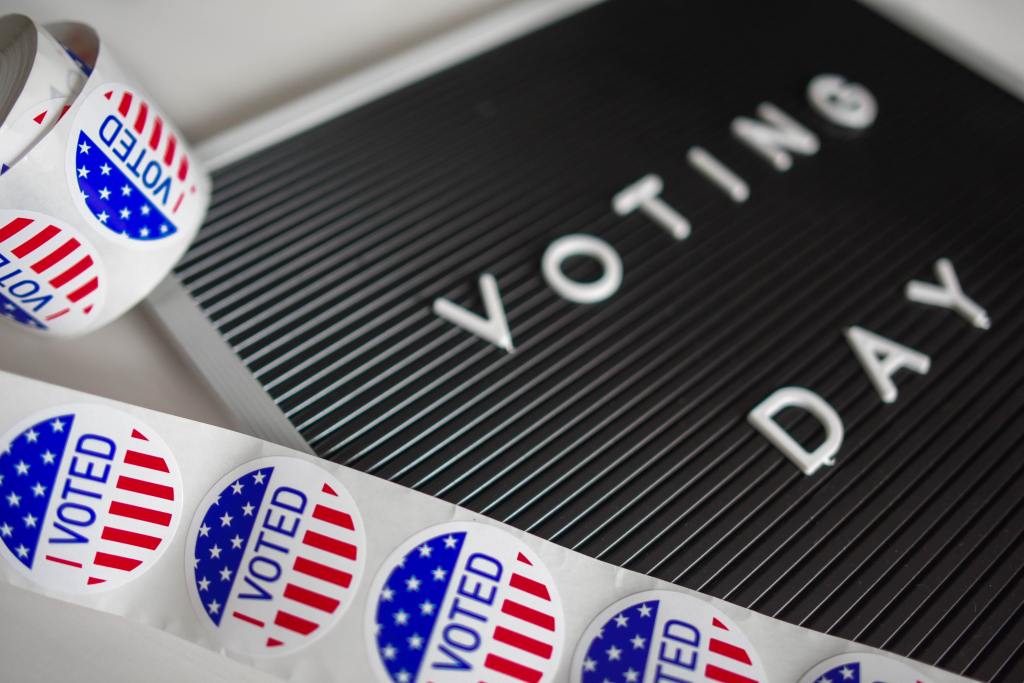
Political Participation: Citizens have the fundamental right to participate in the democratic process by voting in elections, engaging in political activism, and expressing their opinions freely. Visa holders, on the other hand, are generally excluded from political participation. They cannot vote in federal elections, limiting their ability to have a direct impact on policies and decisions that affect their lives. This limitation can create a sense of exclusion and hinder their ability to fully integrate into American society.
Visa holders in America face significant limitations compared to citizens, affecting their legal protections, employment opportunities, access to social benefits, travel freedoms, and political participation. Recognizing and addressing these disparities is crucial to ensuring fairness, equality, and inclusivity for all individuals residing in the United States. Efforts to reform immigration policies and provide a pathway to citizenship for deserving individuals can help bridge the gap and provide visa holders with a more secure and equitable experience in America.
 Fresh Off The Boat